Archive for the 'In Class' Category

Health Care Reform, Law and Policy

by Prof. Hangen - April 18th, 2013

During this unit, we’ll work at understanding our tremendously complex American health care system: its origins, current reform efforts, issues for debate, consequences, and possible future.

Wed 4/17 – View Michael Moore’s film Sicko. Response Paper #3 due.

Mon 4/22 – How Did We Get Here? Reading: Stevens, “History and Health Policy in the US” (PDF on Blackboard)

In-class link: “Why is American Health Care So Ridiculously Expensive?” (The Atlantic 3/27/13)

Wed 4/24 – Costs: Economic, Social and Ethical. Reading and Listening: Farmer, “Pathologies of Power” (PDF on Blackboard) and LISTEN to and take notes on this October 2009 hour-long episode of the NPR program This American Life

Links we watched in class:
MRI Costs (Washington Post WonkTalk, March 2013)
Health Care System Overview (Khan Academy)
Journalist Steven Brill talks about his Time cover story on Medical Bills (March 2013)

Mon 4/29 – Health Care Reform, Law & Policy. Start by browsing this site: Healthcare.gov

Then read these:
Health Care Reform – Top 10 Pros/Cons on Procon.org
“The Case for Universal Health Care in the United States,” AMSA (American Medical Student Association), 2008
Robert A. Levy, “The Case Against President Obama’s Health Care Reform: A Primer for Nonlawyers,” Cato Institute White Paper, 2011 (12-page downloadable PDF)
“Fighting to Control the Word ‘Obamacare’” NYT 25 March 2012
“The ABCs of the Health Care Law and its Future,” NYT 2 April 2012

Note: there quite a number of polemical websites, you might want to look at a few, keeping in mind none of these are official or scholarly sources –

Obamacarefacts.com
Obamacareprosandcons.org
therepealpledge.com
HeritageFoundation.org’s content on Obamacare
CommonHealth: Reform and Reality (WBUR.org)
NYT: Multimedia content on the Affordable Care Act and the Supreme Court

Wed 5/1 – The HC Debate in Microcosm. See the “Debate” tab at the top of the course website. Prepare for the debate by taking, and supporting with evidence, a position in the health care debate. Due in class: Your Position Paper

Mon 5/6 – Wrap Up Day and Exam Prep. We will complete the Glossary in or before class, and work on developing the format for the final together.

Mon 5/13 – Final Exam 12:30 pm. Due at the final: Your Course Reflection Paper (prompt TBA)

Response Paper #3 Prompt

by Prof. Hangen - April 12th, 2013

Throughout the third unit of this course we’ve been reading and discussing health care and medicine in the period 1890-1950. For Response Paper #3, due Wed 4/17, choose one of these prompts and craft a 3-4 page paper drawing on our class discussions and course readings in this unit: Willrich Pox, Rutkow Seeking the Cure Chapters 8-10, and Penney & Stastny The Lives They Left Behind.
Continue reading →

Unit 2: Medical Professionalization, Democratization, and the “Gaze”

by Prof. Hangen - February 17th, 2013

Our first unit explored foundational concepts of disease and health, different theories about the origins of disease, and the prevailing beliefs and practices in early America.

Fildes The Doctor

Luke Fildes, “The Doctor,” 1887

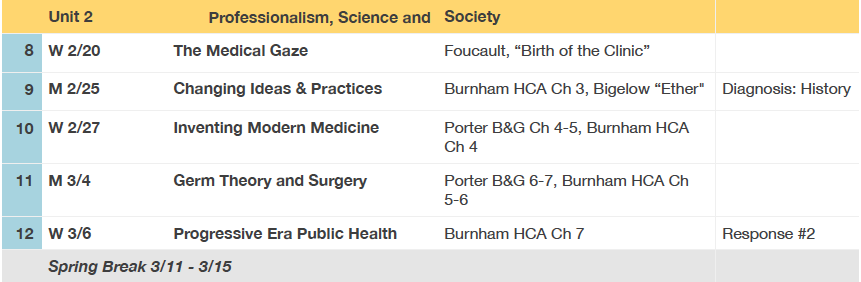
In our next unit, we consider the long 19th century and the rise of medical professionalization – a process Rutkow also argues was one of democratization. The middle chapters of Rutkow’s book are our main texts in this unit, although we begin with the ideas of the French philosopher and literary scholar, Michel Foucault, on the birth of the clinic and his observations on perception, power and “the gaze” in medical diagnosis and healing. If you’ve ever read feminist film theory, you might recognize this concept is similar to Jacques Lacan’s scholarship on the normative camera’s eye as heterosexual male gaze and on the complex interplay between subject/object and the processes of subjectification and objectification.* Foucault is interested, broadly, in power and discourse – how meaning is encoded. His provocative book, which we are reading in excerpt, explores the development of the medical “clinic” (which stands for any professional medical setting) as a discursive system in modern society. You will find it densely packed with ideas, please take your time with reading it!

The first part of the unit will look like this -

Mon 2/18 – Reminder, no class – Presidents’ Day

Wed 2/20 – The Medical Gaze. Reading: Foucault, Birth of the Clinic (excerpts – as PDF on Blackboard). Bring the essay or take good notes on it and bring those. Remember to BRING a list of terms to class so we can begin our glossary together. The terms/concepts can come from Porter, Rutkow’s Intro/Ch1, Ulrich’s article, and Steele’s essay – or from anything we’ve brought up in class so far.

Mon 2/25 – Democratization of Healing. Reading: Rutkow, Ch 2. Your Diagnosis: History paper is due.

Further reading:
The “Ether Dome” original article from the Boston Medical and Surgical Journal, 1846

Wed 2/27 – Modern Medicine and Quackery. Reading: Rutkow, Ch 3-4. See also: The Quack Doctor blog.

Other links for Wed:
HarpWeek Cartoon, 1865 “The Hygiene of New York City”
Full text of Cathell’s book The Physician Himself (1886 edition) on Google Books
More on Garfield’s death: “The Doctors Who Killed a President” (New York Times Review of Books, 2011)

Mon 3/4 – Rise of Medical Professionalism. Reading: Rutkow, Ch 5-6. See also: The Flexner Report 100 Years Later (Yale J of Bio and Med, Sept 2011).

Response Paper #2 Prompt –
In his first 7 chapters, Rutkow has briskly marched his readers through a tour of medical progress (both forward and backward) and professionalization. In a 2-3 page response paper, choose and describe one debate, ideological conflict, or inflection point of change in American health care history. Reflect/respond on the impact and importance of this episode. Be sure to cite any direct quotations from the text. We will use your response papers as the basis of discussion on Wednesday, so preferably bring it as a printed hard copy paper.

Wed 3/6 – Progressive Era Challenges. Reading: Rutkow, Ch 7. Due in class: Response Paper #2.

* I rarely recommend Wikipedia entries, but the one on the gaze is actually pretty decent – maybe partly because it’s flagged as “too technical for most readers to understand.”

Social Healers, Sickness and Health in early America

by Prof. Hangen - February 2nd, 2013

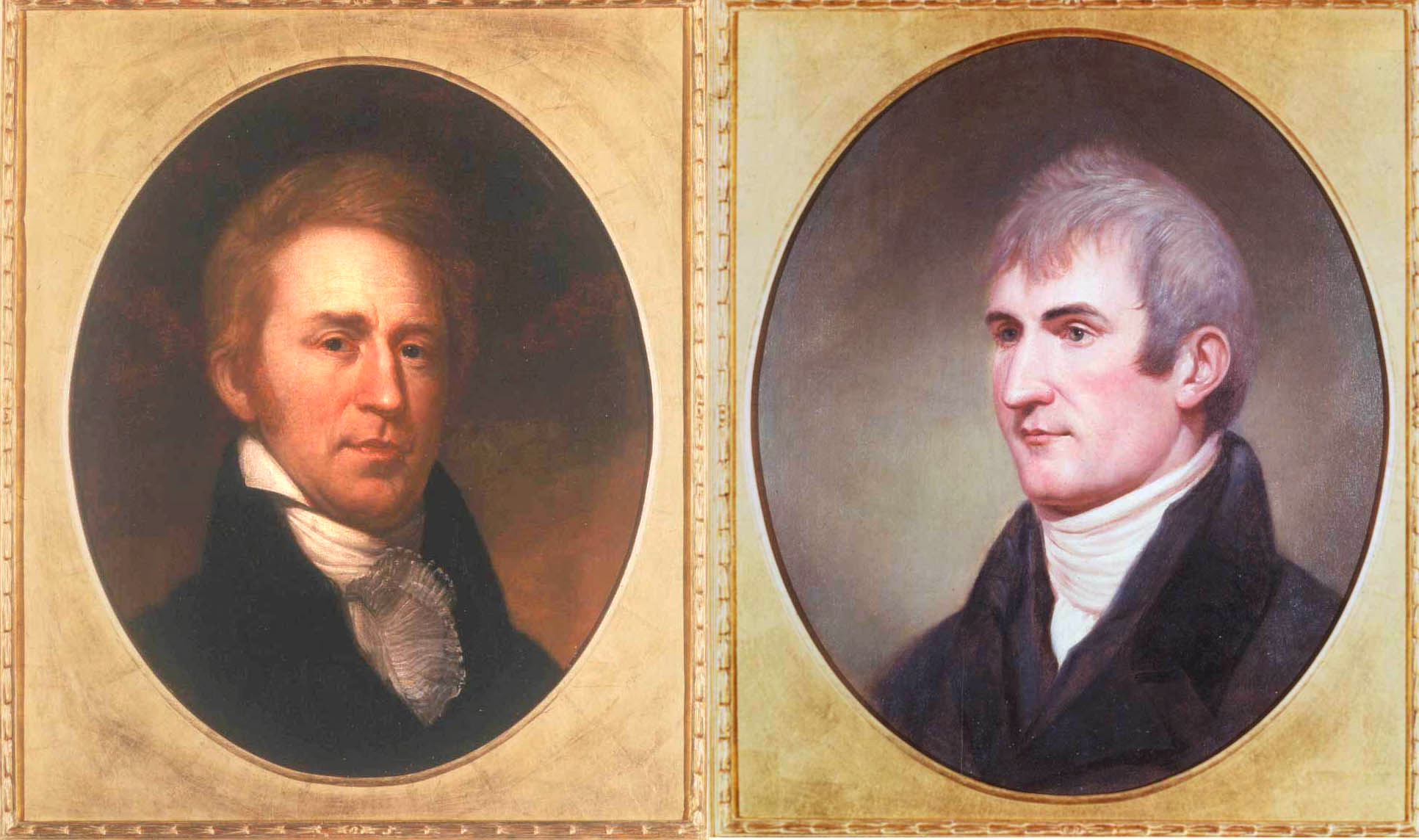
Over the next four class periods, we will explore ideas and historical practices around sickness, health and healing in early America, using 2 case studies: the Martha Ballard diary from Maine (1780s-1810s) and the Journals of the Lewis and Clark Expedition (1803-1806).

For each case study, the first class period will discuss the writings of a historian and give a general overview to the text, the time period, and the conclusions that scholars are able to draw from these sources. Then you’ll go to the original text and explore for yourself, and bring your findings, questions and conclusions to our second class discussion.

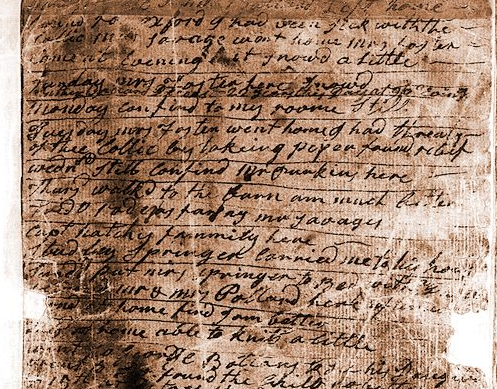
A page from Ballard’s diary

This week, we’ll be working with the diary of Martha Ballard, a midwife and healer skilled in the arts of household production in rural present-day Maine just after the American Revolution.

Mon 2/4 - read an essay about Ballard as a “social healer” by Laurel Thatcher Ulrich, which is an excerpt from her 1990 Pulitzer Prize-winning book, A Midwife’s Tale, titled “1787: Exceeding Dangerously Ill” (PDF on Blackboard)

Wed 2/6 - explore the diary itself at DoHistory.org

Mon 2/11UPDATE: No Class – Campus Closed due to snow removal. Read Volney Steele’s chapter from Bleed, Blister and Purge: A History of Medicine on the American Frontier, titled “Lewis and Clark: Keelboat Physicians” (PDF on Blackboard)

Wed 2/13 - we will explore the journals themselves at the Online Lewis and Clark Journals Project (University of Nebraska Lincoln)

Colonial Context, Wed 1/30

by Prof. Hangen - January 29th, 2013

Reading for today: Rutkow, Chapter 1
Due in class: Response paper based on our readings so far

Links we may use in class:

Biographical Sketch of Onesemius, medical pioneer and Cotton Mather’s Slave
(W.E.B. DuBois Institute)
Harvard University’s “Contagion” Page on the Smallpox Epidemic of 1721 (Open Collections)
The Boston Smallpox Epidemic of 1775-1776 (BBC)
The Adams children being inoculated (HBO “John Adams” Miniseries)