Archive for February, 2019

Progressivism, Imperialism and the Twenties (Feb 25 – March 8)

by Dr. H - February 25th, 2019

The next two weeks, which takes us up to Spring Break, cover the time period of 1890-1929 across Chapters 19-21. We look at what made the United States more modern in this era, and also at what *wasn’t* changing in a more progressive direction. Constitutions module #2 is now open, due March 29.

Mon, Feb 25: Document Workshop from Chapter 19 on Muller v. Oregon, 1908. Preparation Questions for Chapter 20 handed out (see Handouts section on Blackboard if you need one). Bring books to class.
Link for today: The Brandeis Brief

Wed, Feb 27: Reading is the first part of Chapter 20 (up to “Extending US Imperialism”). PSA 3 is due by classtime, on any document of your choice.

Highly recommended listening – “The Story of American Imperialism” (NPR Fresh Air, 2/18/19)

Fri, March 1: Reading is second half of Chapter 20 about World War I. Study Guide for the second exam will be handed out, as well as Document 21 study questions and preparation worksheet for Monday’s Document Workshop.

Mon, March 4: Document Workshop from Chapter 21, the “New Negro and the Harlem Renaissance.” Bring books to class. Snow Day – see Blackboard for alternative assignment, due Wed by classtime.

Link: Bessie Smith, “Down Hearted Blues,” Columbia Records 1923

Wed, March 6: Reading is Chapter 21, The Twenties.

Links:
Two Americas: The 1924 Democratic National Convention (PBS, Ken Burns – Prohibition)
“The Day Wall Street Exploded” (BackStory Radio)

Fri, March 8: Exam #2, covering Chapters 18-21.

Have a wonderful spring break! See you back on Monday, March 18

Street scene in Harlem, New York, in the 1920s

Cities, Immigrants and Progressivism (Feb 20 & 22)

by Dr. H - February 15th, 2019

Chapters 18 and 19 explore the period at the end of the 19th century and before World War I through the lens of urban life, immigrant experiences, and reform movements often lumped together as “Progressivism.”

Monday, Feb 18: No Class, University Holiday

Download questions to help structure your textbook note-taking and studying of Chapters 18 and 19.

Wednesday, Feb 20: Reading is Chapter 18. Remember that Constitutions Module #1 is due on Blackboard by 11:59 tonight.

Links for today:

NY Tenement Museum
Emma Lazarus’s poem written in honor of the Statue of Liberty, 1883

Friday, Feb 22: Reading is Chapter 19.

Immigrants arriving at Ellis Island Immigration Station in New York City, 1892

Link for today:
The National Memorial to Peace and Justice (anti-lynching), opened 2018 in Montgomery Alabama

End of Unit 1 (Wed Feb 13 – Fri Feb 15)

by Dr. H - February 13th, 2019

Due to the late opening of the university today (Wed Feb 13), we won’t have class. I will be on campus and available after 10 if anyone wants to stop in for office hours. PSA 2s have been graded, please check the “Feedback to Learner” for comments and an uploaded copy of your scored PSA 2 rubric.

To stay on track with the syllabus, I’ll post the slides and lecture notes from Chapter 17 to the Slides and Handouts area of Blackboard by 9:30 am.

Reminders:

Study for Friday’s Exam 1, covering Chapters 14-17. The study guide can be downloaded here and is also posted in Slides and Handouts on Blackboard, and remember you can bring 1 notes sheet (up to 8.5 x 11″) for the exam.

Constitutions Module #1 is open until Feb 20 at 11:59 pm.

Thanks, stay warm and safe! ~ Dr. Hangen

America’s Gilded Age, 1877-1900 (Wed Feb 6 – Fri Feb 8)

by Dr. H - February 5th, 2019

As you study Chapters 15 and 16, notice the economic, cultural, and political changes in this era. Also pay attention to the changing makeup of society in this time period (the scholarly word for studying the social makeup of a society is “demography”) and to new ideas and intellectual debates, especially about the role of government in establishing and securing progress and freedom. We often think about the US as being a society without rigid social classes, one in which social and economic mobility (“rags to riches”) is possible – was that true for the Gilded Age? (Is it true now?)


I’ll also be interested to see if you perceive echoes of the Gilded Age in our own time. How might this chapter’s history be relevant to you today?

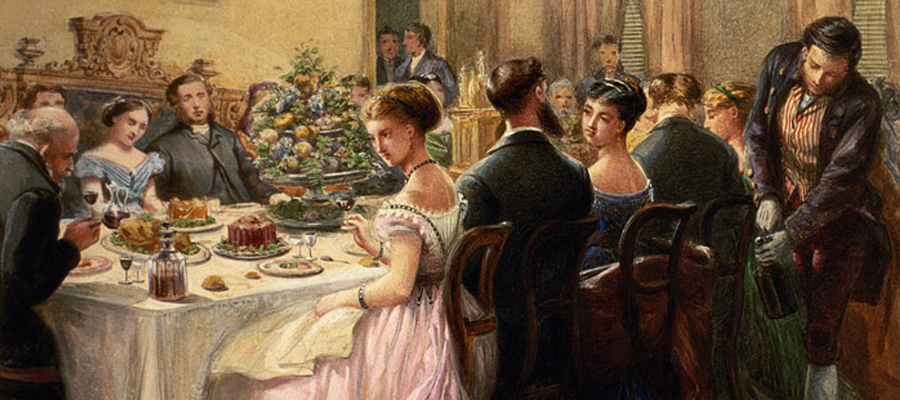
A link to explore: check out some of the so-called “summer cottages” of the Gilded Age upper class in Newport, Rhode Island. Many are maintained as house museums – definitely worth a daytrip if you haven’t been.

Watch clips from PBS films The Gilded Age — highly recommended (showed Chapter 1 in class)

Also you might be interested to know that there’s an organization just for historians who study this time period, SHGAPE (Society for the History of Gilded Age and Progressive Era).

Document Workshop Ch 15 – The West (Mon Feb 4)

by Dr. H - February 4th, 2019

Today’s document workshop focuses on interactions between whites and American Indians in the West, particularly in the upper Plains, Rocky Mountains, and Northwest. Keep in mind that federal policy itself was developing in several different directions over this time, even as greater numbers of people moved to the West from the Eastern U.S. and from Europe in search of opportunity and a new start, making it a constantly changing situation.

If you have your textbook, use the Chapter 15 Document Project

If you don’t have your textbook but you do have a laptop, use the Primary Source set about the 1890 Wounded Knee Massacre from the Digital Public Library of America.

If you don’t have either of these, use one of the books at the front of the class.

Reminder: PSA #2 is due on Wednesday, and I recommend you use one of the documents you used in today’s workshop as the basis for your paper.

The West 1865-1896 (Fri Feb 1)

by Dr. H - February 1st, 2019

Today’s class looks at overlapping stories and cultures in the American West in the late 19th century. We will try to define the region (where does the West begin and end?) and map its human, geographic, and mythic landscapes.

To prepare for today, you read Chapter 15 up through page 504 and listened to to the 1-hour episode of the podcast This American Life, “Little War on the Prairie” (November 23, 2018) about the Dakota War of 1862 and how it’s been remembered — and selectively forgotten.

On Monday, Feb 4 we will engage in a Document Workshop about the Chapter 15 documents; here’s a worksheet to help you prepare ahead of time for the workshop. It was handed out in class but I’m also providing it as a Word doc you can download if you prefer to type your responses.

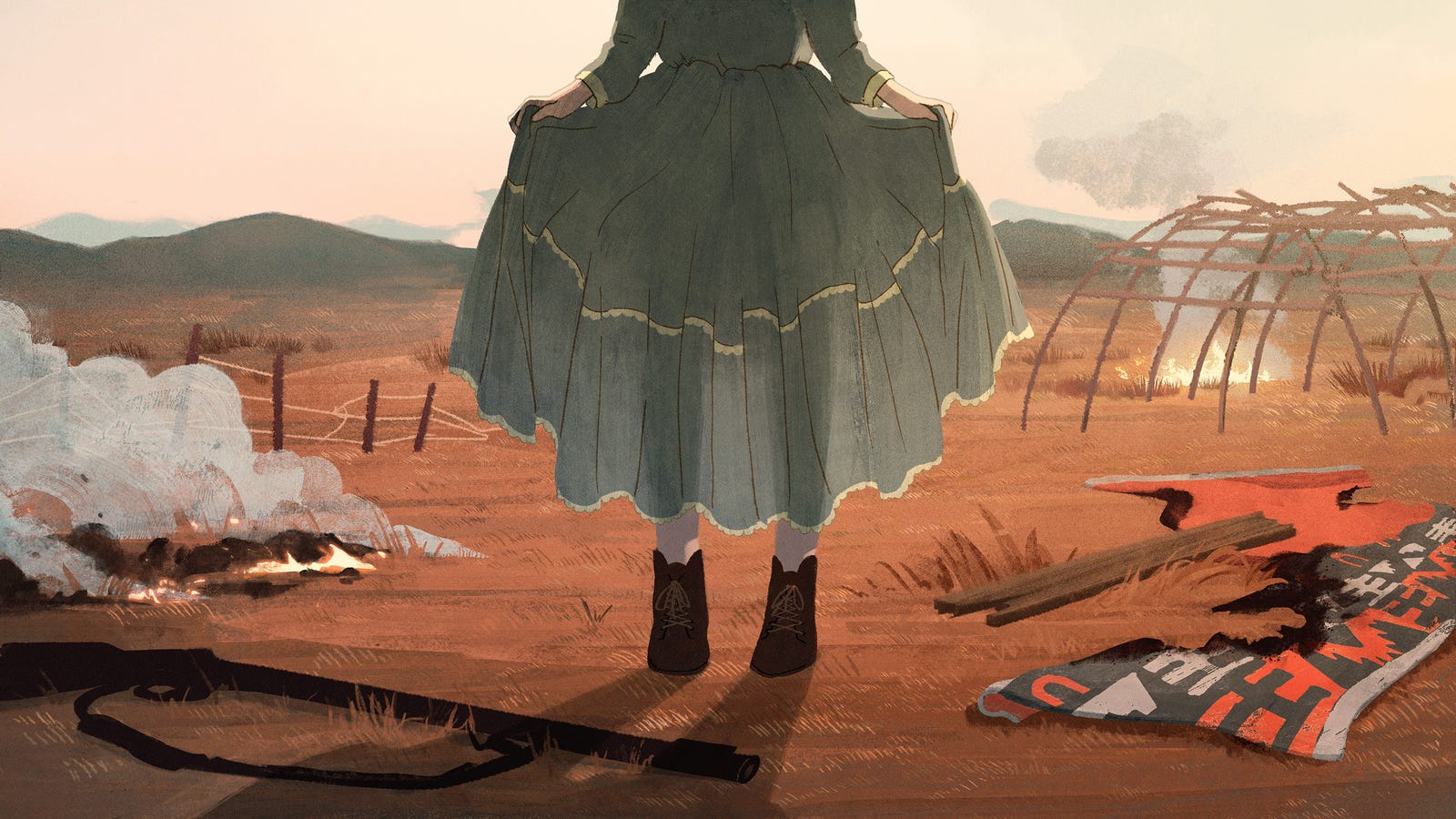
Speaking of mythmaking and memory on the American western prairie, this week I spotted an essay about the return of the “prairie dress” (a popular style in the 1980s) in women’s boho fashion. Lots to think about here….